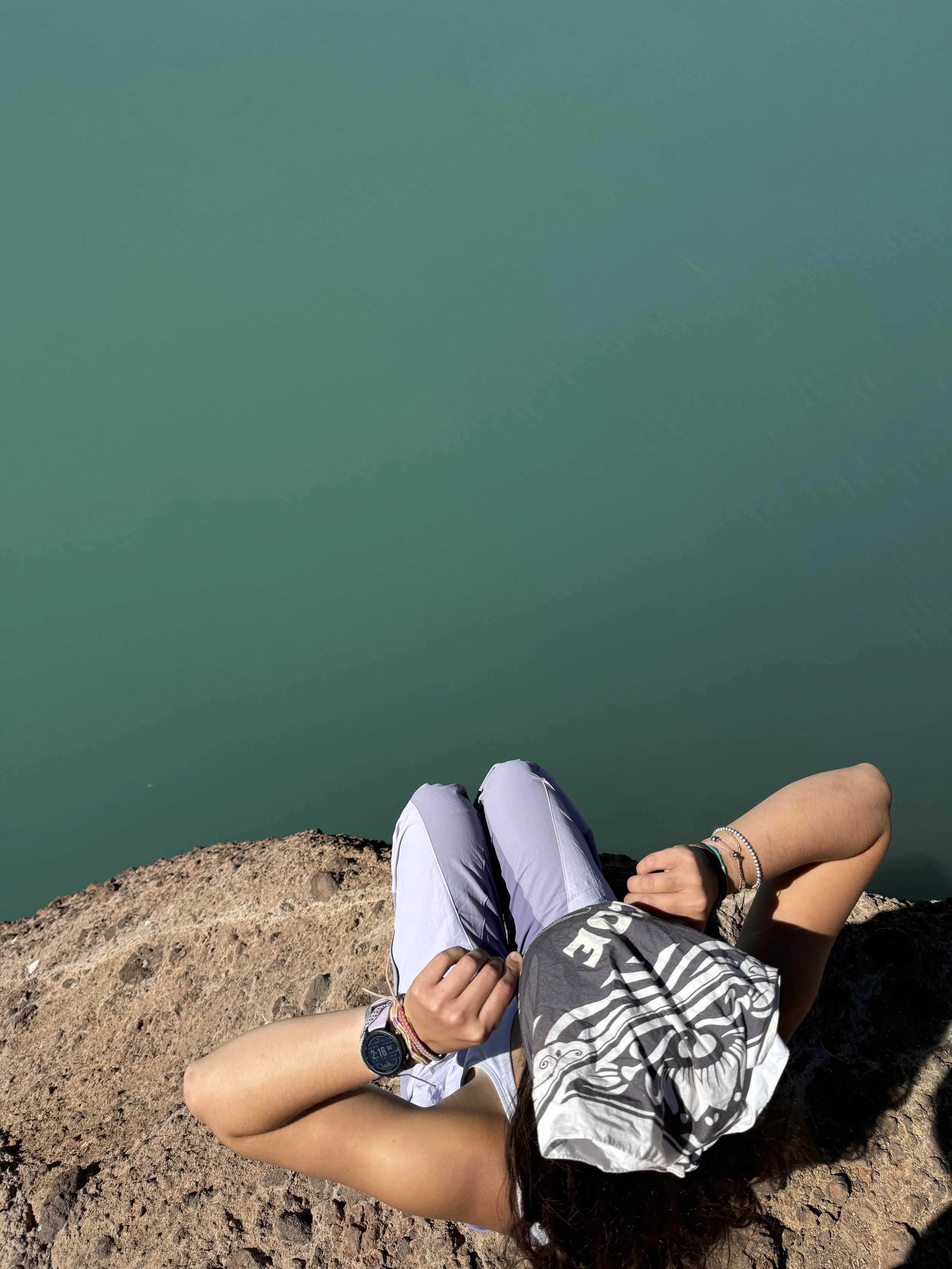
Maybe you can go grocery shopping, drive across town, or meet friends for dinner without much trouble—as long as someone comes with you.
But the second you think about doing those same things alone, everything changes.
Suddenly, you're imagining what might happen if you have a panic attack. What if you feel dizzy? What if you need to leave? What if something happens and there's nobody there to help you?
So you ask your partner to come along. You wait until a friend is available. Or you decide it's easier to stay home.
If this sounds familiar, you might be wondering, “Why am I afraid to go places alone?”
For some people, this fear is connected to panic disorder, agoraphobia, or anxiety about being unable to get help if something goes wrong.
Why Do I Feel Anxious Going Places Alone?
Fear of going places alone often develops when you begin associating certain situations with danger, panic attacks, or being unable to cope without help.
Maybe you had a panic attack while shopping alone. Or perhaps you've started worrying about what would happen if you felt overwhelmed somewhere without someone you trust.
Eventually, your brain begins treating being alone as the problem.
You might notice that you're comfortable driving with your spouse but terrified of driving the same route by yourself.
Or you can sit through an entire restaurant meal with a friend, but the thought of eating alone makes you anxious.
The location hasn't changed. What has changed is whether someone you consider safe is there with you.
Can Fear of Going Places Alone Be a Sign of Agoraphobia?
Yes. Being afraid to go places alone can be a symptom of agoraphobia, particularly when the fear involves having difficulty escaping or getting help if panic-like symptoms occur.
Agoraphobia isn't necessarily about being unable to leave your house.
Many people with agoraphobia go to work, run errands, travel, and participate in everyday activities.
But they may only feel comfortable doing those things under certain conditions.
For example, you might:
Only drive somewhere if your partner comes along.
Avoid shopping alone in case you have a panic attack.
Ask someone to accompany you to appointments.
Feel comfortable going places nearby but not farther from home.
Leave events early when the person you came with leaves.
Not everyone who dislikes going places alone has agoraphobia. But when fear and avoidance begin limiting your independence, it's worth exploring what's driving them.
Why Do I Feel Safer When Someone Comes With Me?
When you're afraid of having a panic attack, another person can become what therapists call a safety signal.
You might think, If I panic, they'll help me. They'll drive me home. They'll know what to do.
Having someone with you may temporarily reduce anxiety.
The problem is that you might start believing you can only handle certain situations when that person is present.
Over time, this can reinforce avoidance and make doing things independently feel increasingly difficult.
This doesn't mean spending time with loved ones is unhealthy. The important distinction is whether their presence has become something you believe you need in order to feel safe.
How Do I Stop Being Afraid to Go Places Alone?
If your fear is connected to panic disorder or agoraphobia, Exposure and Response Prevention (ERP) therapy can help you gradually practice doing feared activities without relying on the safety behaviors that maintain your anxiety.
For example, treatment might involve driving somewhere alone, shopping independently, or attending an appointment without bringing your usual safe person.
The goal isn't to force yourself to feel calm before doing these things.
It's to practice allowing anxiety and uncertainty to be present while continuing with the activity.
You learn through experience that you can participate in everyday life without needing someone else there to prevent or manage every uncomfortable feeling.
Exposure work should be individualized and paced appropriately, especially when medical conditions or other safety considerations are involved.
Looking for Agoraphobia Therapy in Reston, VA?
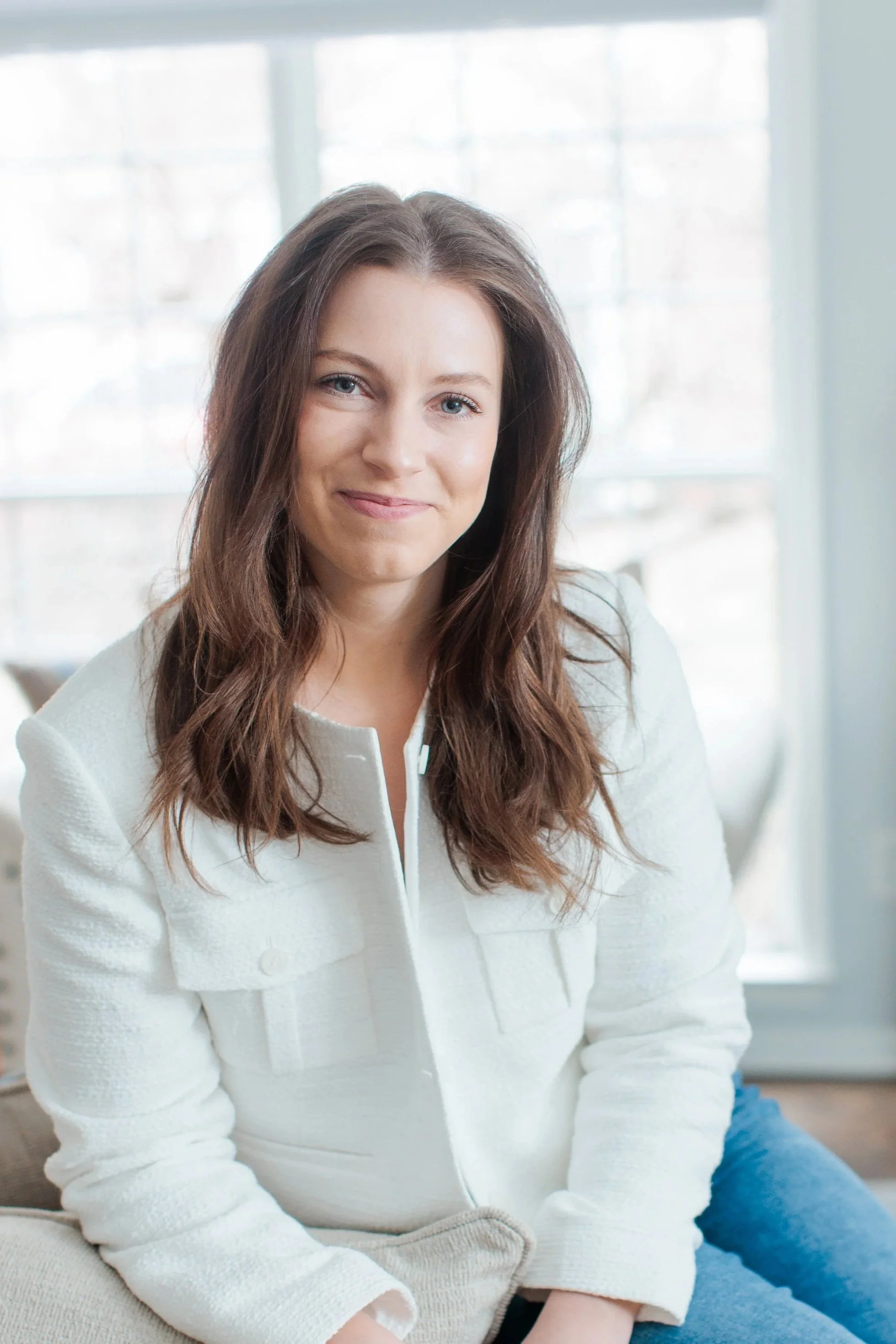
If you've started avoiding activities because you're afraid to go places alone, you don't have to keep organizing your life around having someone available to accompany you.
I'm Kate Moore (Regnier), LCSW, and I specialize in helping adults with panic disorder, agoraphobia, and anxiety using Exposure and Response Prevention (ERP) therapy.
At Regnier Restorative Counseling, I offer in-person agoraphobia therapy in Reston, VA, and virtual therapy throughout Virginia, Washington, DC, Maryland, Indiana, and Michigan.
Schedule a free 15-minute consultation to learn how ERP therapy can help you regain independence and stop letting fear dictate where you go.