
Yes, loneliness during the holidays is common, and it can feel even louder when panic attacks have kept you from showing up the way you want to. If you're in Reston, VA, working with a panic attack therapist can help you change how you respond to panic so you can feel more connected this season.
There's a quiet kind of lonely that shows up around the holidays, like watching everyone make plans while you're calculating which ones you could realistically attend without panicking.
Maybe you're scrolling past everyone's holiday photos and wondering why you can't just enjoy things the way you used to.
Or maybe you're sitting at a full table and still feeling completely alone because you're too busy monitoring your body for signs of another panic attack to enjoy the people around you.
Why Can the Holidays Make Loneliness Feel Louder?
The holidays turn up the volume on everything, including the feeling that you're missing out on the life everyone else seems to be enjoying.
For a lot of people with panic attacks, the lonely part isn't necessarily being alone. It's wanting to participate but feeling like panic keeps getting in the way.
Maybe you've declined invitations, skipped family gatherings, or stopped traveling because you're afraid of panicking somewhere you can't easily leave.
One thing that can help is recognizing how avoidance may be contributing to your isolation, without criticizing yourself for it.
And if you're wondering how to feel less alone this season, there are small ways to begin reconnecting.
What Are Small Ways to Feel More Connected During the Holidays?
You don't need a big plan. You just need one small move toward something that matters to you.
Here are three places to start:
Reach out to someone. Text a friend you've been meaning to see and suggest getting coffee, even if you're worried about feeling anxious.
Keep a connection routine. Make a weekly plan to call someone, have lunch with a friend, or spend time with family rather than waiting until you feel ready.
Go somewhere people are. Visit a local coffee shop, attend a holiday event, or browse a bookstore, even if you don't feel particularly social.
These aren't tricks to eliminate anxiety. They're opportunities to engage with life while allowing uncomfortable feelings to be present.
And sometimes, small steps aren't enough on their own. That's where additional support can help.
How Do You Feel Connected When Panic Keeps You in Your Head?
When you're always bracing for the next panic attack, it's hard to be present because so much of your attention is focused on what your body is doing.
You might constantly check your heartbeat, monitor whether you're dizzy, or mentally rehearse how you'll escape if panic starts.
A lot of people tell me they stay home or leave gatherings early because they're afraid of having a panic attack in front of others.
Instead of waiting to feel calm, practice engaging with what's happening around you.
Listen to the conversation. Participate in the activity. Let uncomfortable sensations exist without making getting rid of them your priority.
If panic is repeatedly interfering with your relationships and daily life, it may be time to consider additional support.
When Might It Help to Talk to Someone?
If you've been avoiding things you care about because of panic attacks, anticipatory anxiety, or fear of losing control, specialized therapy may help.
Many people reach out after realizing their world has gradually gotten smaller. Maybe they're no longer traveling, attending family events, or going places independently.
You don't have to wait until you're completely housebound or missing every holiday gathering to ask for help.
Here's what working together can look like.
What Does Working With a Panic Attack Therapist in Reston, VA Look Like?
When we work together, we start by understanding how panic attacks, avoidance, and safety behaviors are affecting your life.
I primarily use Exposure and Response Prevention (ERP) therapy, incorporating approaches such as Acceptance and Commitment Therapy (ACT) and EMDR when clinically appropriate, to help you change your relationship with anxiety and work toward meaningful activities you've been avoiding.
Your first session is an opportunity to discuss what you've been experiencing, what you've already tried, and what you'd like your life to look like.
The goal isn't to get rid of every anxious feeling. It's to help you stop organizing your life around the fear of panic.
Questions Clients Ask
How do I stop a panic attack?
The honest answer is that trying desperately to stop panic can sometimes reinforce your fear of it. Therapy can help you practice responding differently to panic sensations rather than constantly fighting them.
Will I ever feel normal again?
Many people find that as their fear of panic decreases, they can return to activities they once avoided and feel more connected to their lives.
Do you know people who have recovered?
Yes. Recovery from panic disorder and agoraphobia is possible, and evidence-based treatments such as exposure therapy have helped many people make meaningful progress. Everyone's experience and timeline are different.
Looking for a Panic Attack Therapist in Reston, VA?
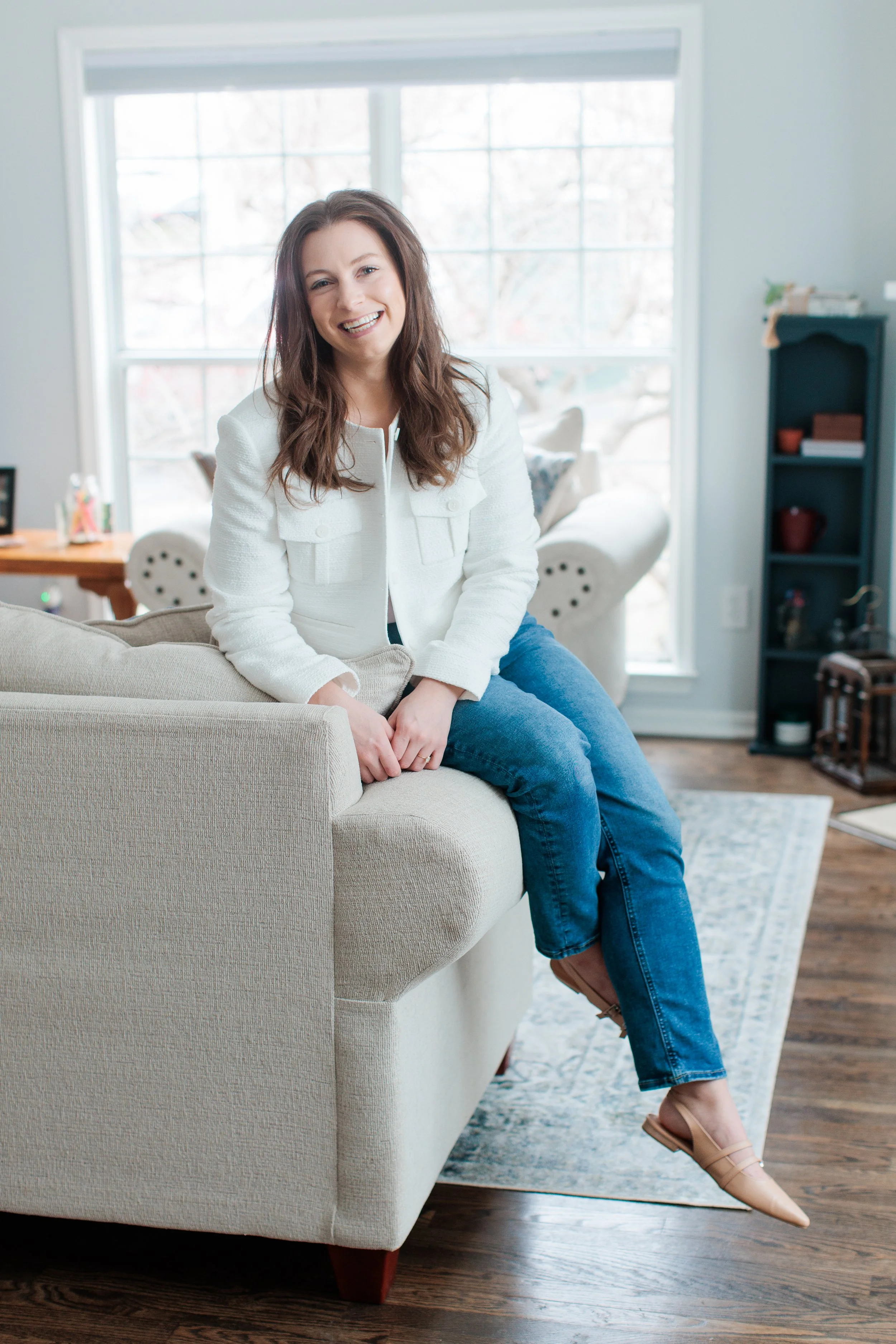
If the holidays are feeling heavy and you'd like support, I'd love to help.
At Regnier Restorative Counseling, I offer in-person panic attack therapy in Reston, VA, and virtual therapy for adults in Virginia, Washington, DC, Maryland, Indiana, and Michigan.
I'm accepting new clients and work on a private-pay basis. I can also provide superbills for possible out-of-network reimbursement.
Schedule a free 15-minute consultation to learn more about working together.