
Maybe you can still leave your house, but there are certain places you won't go.
You avoid highways because you're afraid of having a panic attack while driving. You only visit stores where you know the exits. You turn down invitations if they're too far from home. Or maybe you can go places, but only if someone you trust comes with you.
You've tried pushing through the anxiety, using coping skills, and reminding yourself that you'll be okay. But the fear of panicking still determines where you go and what you do.
If this sounds familiar, exposure therapy for agoraphobia may be the treatment you've been looking for.
What Is Exposure Therapy for Agoraphobia?
Exposure therapy is an evidence-based treatment that helps people gradually approach situations they've been avoiding because of anxiety or panic.
Agoraphobia involves fearing situations where escaping might feel difficult or help might not be available if panic-like or other distressing symptoms occur.
This can include driving, grocery stores, restaurants, public transportation, crowded places, or being far from home.
The goal of exposure therapy isn't to make sure you never experience anxiety again.
It's to help you learn that you can experience anxiety, uncertainty, and uncomfortable sensations without needing to escape or control them.
How Does Exposure Therapy Actually Work?
Exposure therapy helps you change your relationship with feared situations and physical sensations.
Instead of waiting until you feel completely comfortable before doing something, you begin practicing doing it while allowing anxiety to be present.
For example, imagine you've stopped driving on highways because you're afraid of having a panic attack.
During exposure therapy, you might practice driving increasingly challenging routes while gradually reducing the behaviors you've been using to feel safe.
You aren't trying to convince yourself that panic definitely won't happen.
You're learning that you can continue driving safely and make room for uncomfortable sensations without treating them as an emergency.
Over time, this can reduce the fear and avoidance that keep agoraphobia going.
What Are Safety Behaviors in Agoraphobia?
One important part of agoraphobia treatment is identifying safety behaviors.
Safety behaviors are things you do to prevent panic, escape anxiety, or make yourself feel certain you can handle a situation.
Examples include:
Only driving routes where you can easily turn around.
Staying close to exits in stores or restaurants.
Bringing a trusted person everywhere.
Constantly checking how far you are from home.
Carrying specific items because you believe you can't handle panic without them.
Mentally reassuring yourself that you won't have a panic attack.
Although these behaviors may provide temporary relief, relying on them can reinforce the belief that feared situations are dangerous without them.
Exposure therapy helps you gradually reduce unnecessary safety behaviors while building confidence in your ability to handle discomfort.
Does Exposure Therapy Mean Forcing Yourself Into Scary Situations?
No. Effective exposure therapy is collaborative, intentional, and tailored to your needs.
You and your agoraphobia therapist identify the situations you've been avoiding and develop a plan for approaching them.
For one person, that might mean going into a grocery store alone.
For another, it might mean driving farther from home, attending a child's sporting event, or taking a flight.
Some people also benefit from interoceptive exposure, which involves intentionally practicing safe exercises that bring on feared physical sensations, such as a racing heart or dizziness, when medically appropriate.
The goal isn't to eliminate every uncomfortable feeling. It's to reduce the fear and avoidance surrounding those feelings.
Can Exposure Therapy Help If You've Had Agoraphobia for Years?
Yes. Exposure-based treatment can help people who have struggled with agoraphobia for years, including those who have gradually become more restricted in where they feel comfortable going.
Recovery doesn't require you to feel completely fearless.
It involves learning that anxiety doesn't have to determine your decisions.
You can begin rebuilding your life even while uncomfortable feelings are present.
Looking for an Agoraphobia Therapist in Reston, VA?
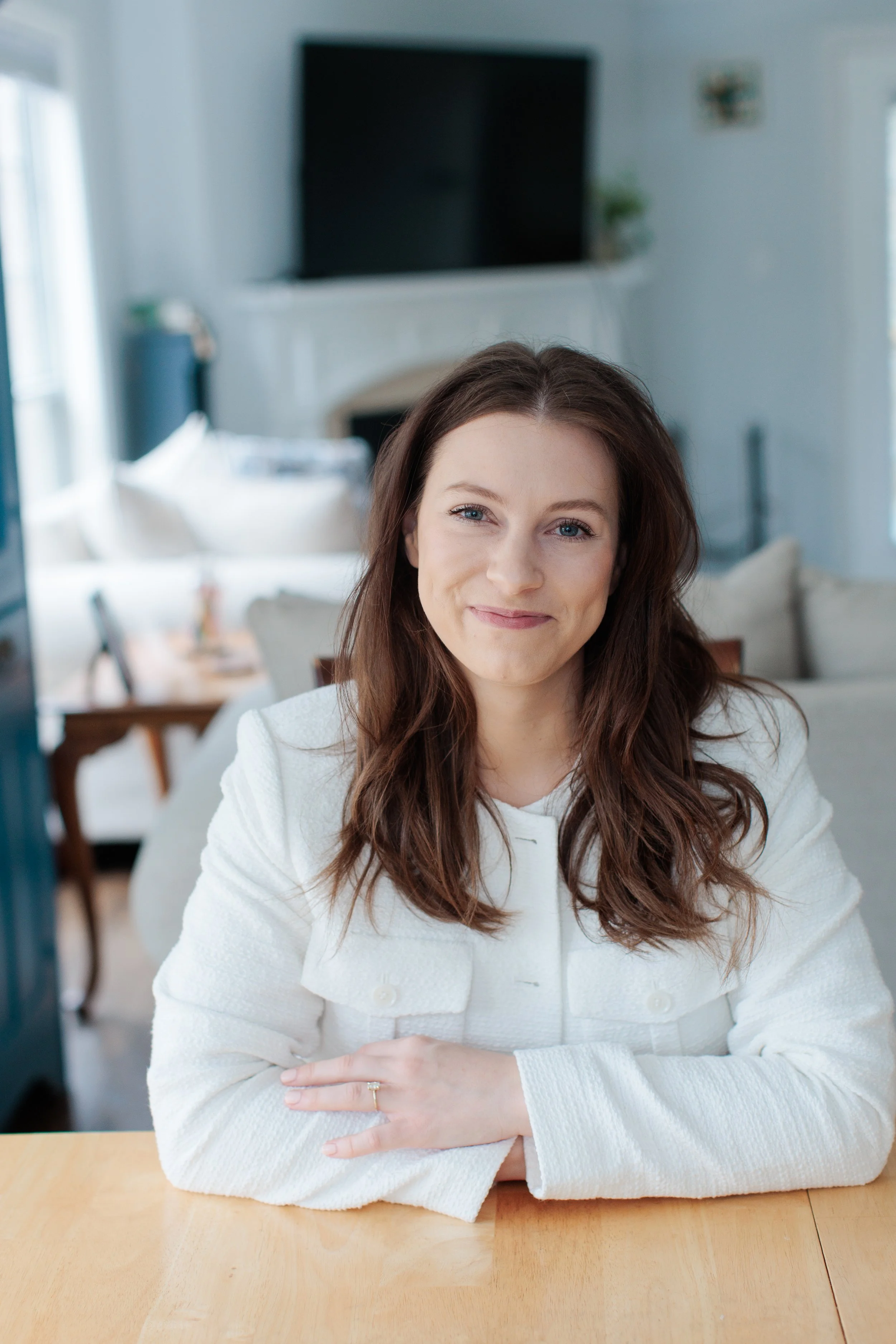
If you're searching for an agoraphobia therapist who specializes in exposure therapy, I can help.
I'm Kate Moore (Regnier), LCSW, and I specialize in treating panic disorder and agoraphobia using Exposure and Response Prevention (ERP).
At Regnier Restorative Counseling, I offer in-person agoraphobia treatment in Reston, Virginia, and online therapy for adults throughout Virginia, Washington, DC, Maryland, Indiana, and Michigan.
You don't have to wait until the fear disappears to start doing the things you love again.
Visit my website to schedule a free 15-minute consultation and learn more about specialized exposure therapy for agoraphobia.