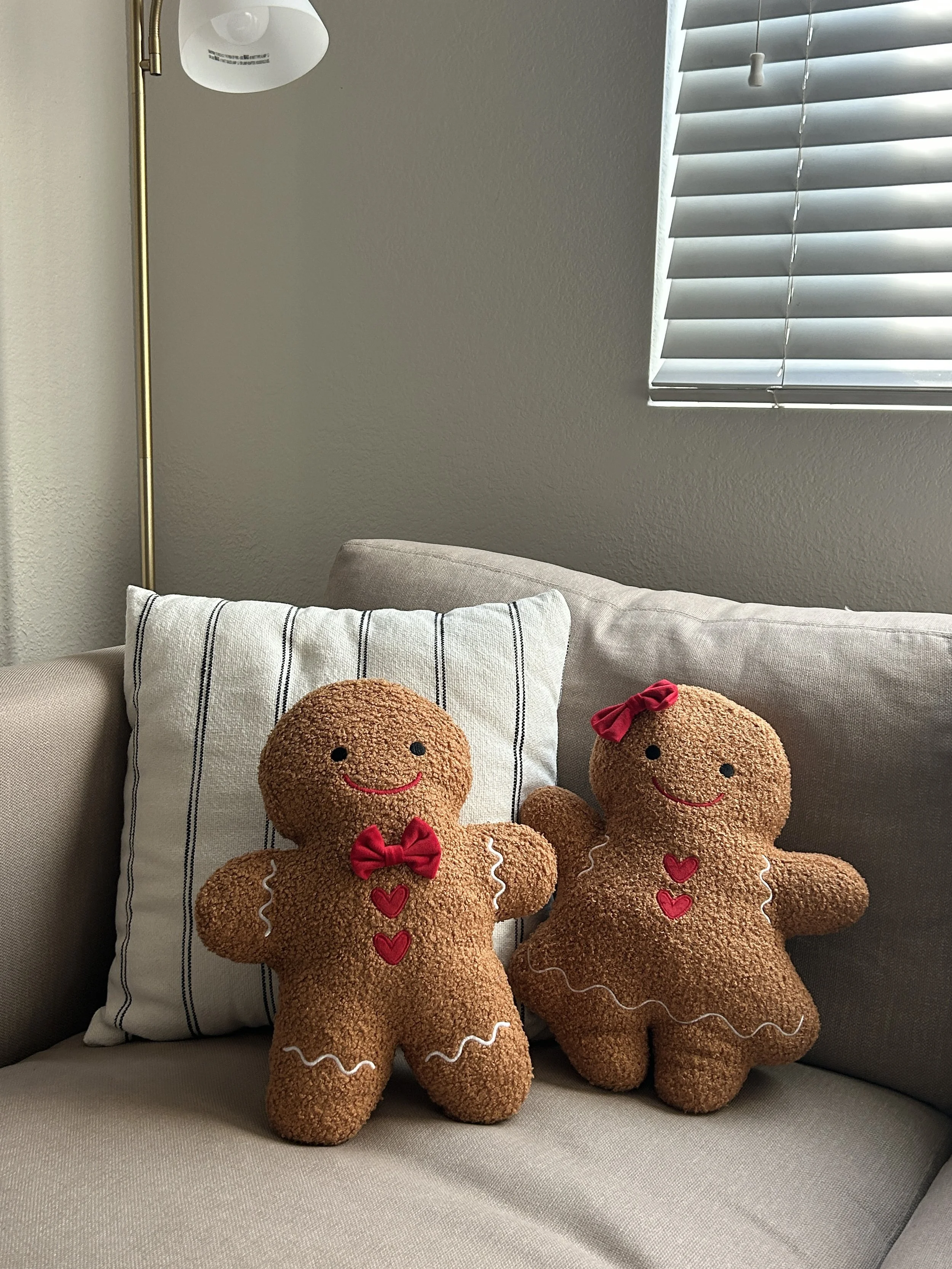
If the holidays have you grieving the version of yourself who used to love gatherings, you're not being dramatic. Panic attacks can take real things from you, and a panic attack therapist in Reston, VA can help you start getting some of them back.
The empty seat at the table isn't always a person. Sometimes it's the version of you who used to say yes without calculating exits first. If you've lived with panic attacks for years, the holidays can bring up a quiet kind of grief for who you were, what you used to do and the plans you've had to skip. I'm Kate Moore (Regnier), LCSW, and I've lived with panic disorder, agoraphobia, anxiety and OCD myself, so I understand this grief from the inside.
Why do the holidays make panic and grief feel louder?
The holidays pack a lot into a short stretch of time. There are crowded rooms, long drives, flights, late nights, family conversations and pressure to feel festive. For someone with panic attacks, every one of those can feel like a test.
Then comes the grief. You might notice the Thanksgiving you sat in the car instead of going inside, or the traditions you've stopped joining because you were afraid of panicking. That sadness is real. It's okay to feel it without having to hurry past it.
And many adults tell me they feel isolated and crazy during this season, like everyone else is enjoying themselves while they're white-knuckling it. You're not the only one in the room feeling that way, even if it looks like it.
How can I make room for grief and anxiety this season?
You don't have to do the holidays perfectly. A few small choices can help you feel more like yourself.
Keep one tradition. Pick one thing that matters to you, like the dinner, the tree trimming or a walk with family, and let it stay. You don't have to feel calm to do it. You can feel anxious and still be there.
Change one tradition. If something drains you or isn't working, it's okay to adjust it. Maybe you host instead of travel, or you arrive later, or you leave when you're ready. Just be careful that the change isn't avoidance in disguise. The goal isn't to shrink your life further.
Plan a quiet moment to remember what you miss. Set aside ten minutes to think about the things panic has cost you and what you want back. You can write it down or just sit with it. Grief gets heavier when we try to ignore it.
Why does fighting panic make it stronger?
If you treat panic attacks like an emergency, they're going to keep feeling that way. Many of the things we do to cope, like sitting by the door, carrying safety items or constantly checking our bodies, keep the fear alive without us noticing.
Panic attacks aren't dangerous, even when they feel terrifying. The goal isn't to get rid of anxiety or panic. It's to change how you respond when it shows up. That's where real change starts.
What are the signs it might help to talk to someone?
You might want support if panic attacks have been part of your life for years, if you keep turning down invitations, or if you spend most gatherings thinking about the next attack instead of the people around you. Maybe you've tried to manage it alone and you're exhausted. Maybe you've been in therapy before and it didn't work or made things worse. That's frustrating, and it makes sense that you'd hesitate to try again.
If you're missing out on things that matter to you, that's enough reason to reach out.
What does grief and panic support look like with me?
I work with adults who have panic attacks and anxiety using ERP, EMDR and ACT. In our work together, we practice exposures, drop safety behaviors and learn to feel uncomfortable without running from it. I won't tell you to just breathe. We build skills for changing your response to panic so you can do the things that matter to you again.
Sessions are available in person in Reston, VA and by telehealth if you live in Virginia, DC, Maryland, Indiana or Michigan. I'm private pay and provide superbills you can submit for possible out-of-network reimbursement.
Questions clients ask
How do I stop a panic attack?
Most people start by trying to fight the panic, which usually keeps it going. In therapy, we work on responding differently when panic shows up so it loses some of its grip over time. I can't give you a quick fix, but I can show you a different way to work with it.
Will I ever feel normal again?
A lot of people ask me this, and it's a fair question. Many adults who've lived with panic for years go on to do things they once avoided. Recovery isn't linear, and it doesn't mean you'll never feel anxious. It means anxiety stops running the show.
Why do I have panic attacks around the holidays?
Stress, crowds, travel, changes in routine and pressure to feel a certain way can all be triggers. For many people, the fear of having a panic attack in front of family adds another layer. Therapy can help you understand your own patterns and change how you respond to them.
Panic Disorder Treatment in Reston, VA

If this holiday season has you grieving what panic has taken, I'd be glad to help. You can schedule a free 15 minute consultation with me here. We'll talk about what's been going on and whether working together feels like a good fit. You deserve to enjoy the table you're sitting at.