
If you've noticed your mood dipping, your energy disappearing, or your anxiety feeling more noticeable as the days get darker in Reston, VA, you're not alone. When daylight saving time ends on Sunday, November 1, 2026, the sun will set earlier, and your usual evening routine might suddenly feel different. Even when nothing else in your life has changed, you might notice that you just don't feel quite like yourself.
So why does the time change affect some people more than others?
Why Can the Time Change Affect Your Mood and Energy?
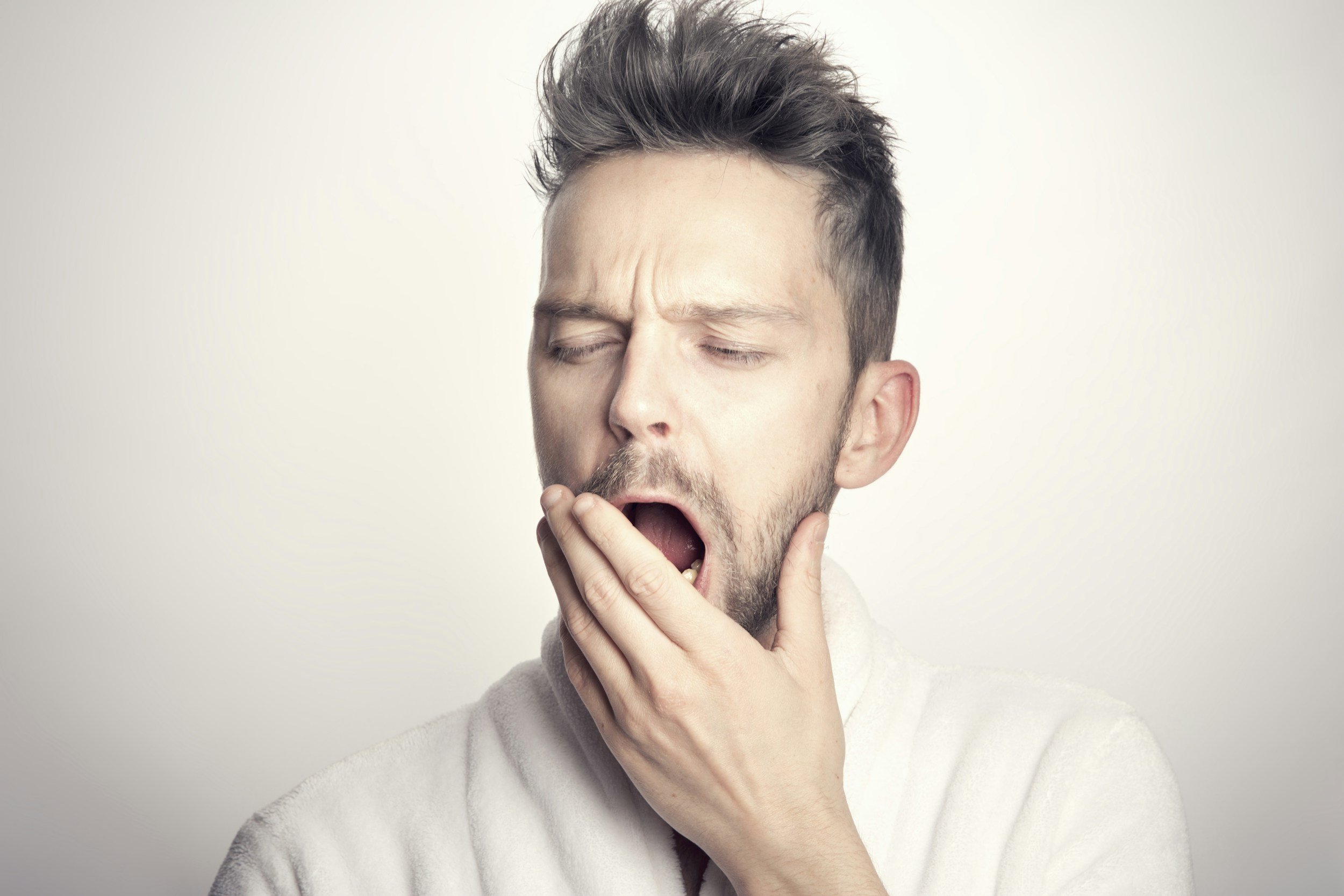
1. Less daylight in the evening
When the clocks go back, we gain more morning light but lose an hour of evening daylight. If you're used to taking an evening walk, running errands after work, or spending time outside, those activities might suddenly happen in the dark.
Less daylight during your usual waking hours can affect how energized you feel and how you spend your time.
2. Changes to your sleep routine
Your body follows an internal clock that helps regulate when you feel awake and sleepy. Even a one-hour shift can temporarily disrupt that routine.
You might find yourself waking earlier, getting tired before your usual bedtime, or feeling sluggish during the day.
3. Changes in your daily habits
Think about how much of your routine depends on daylight.
Maybe you usually walk your dog after work, meet a friend outside, or enjoy a little sunshine before dinner. When it gets dark earlier, those activities can become less appealing or harder to fit in.
Over time, spending less time outside or doing things you enjoy may contribute to feeling disconnected or low.
4. More attention to how you're feeling
If you already struggle with anxiety or panic attacks, you might become especially aware of changes in your energy, sleep, or mood.
Feeling unusually tired doesn't necessarily mean something is wrong. But if you're someone who frequently monitors how you feel, these changes might become another thing to worry about.
What Can You Do When the Time Change Affects Your Mood?

You don't need to completely overhaul your routine because the clocks changed.
Instead, consider a few small adjustments this week:
Keep a consistent wake-up time. A regular schedule can support your body's adjustment.
Get outside during daylight hours. Even a short morning walk or lunchtime break can provide natural light.
Keep one regular social plan. Coffee with a friend, a weekly activity, or dinner with family can help maintain connection.
Make room for activities you enjoy. If your evening walk no longer works, consider moving it earlier.
Allow yourself time to adjust. You don't need to feel exactly the same every day.
These aren't guaranteed fixes for low mood, but they can help you maintain a routine during a seasonal transition.
When Should You Talk to a Therapist About Low Mood or Anxiety in Reston, VA?

A few days of lower energy after the clocks change doesn't automatically mean you're experiencing depression.
However, if your low mood lasts two weeks or longer, begins interfering with daily life, or comes with persistent hopelessness or loss of interest in things you normally enjoy, consider talking with a mental health professional. You can also reach out sooner if you're concerned.
For people struggling with panic disorder, another concern is how they respond to these changes.
Maybe you're avoiding activities because you feel tired, worrying that unusual sensations mean a panic attack is coming, or constantly checking whether you feel normal.
The goal isn't to control every change in how you feel. It's to keep participating in your life without letting fear make every decision.
Therapy can help you understand what's happening and determine whether your anxiety, mood, or avoidance would benefit from additional support.
Begin Healing With Regnier Restorative Counseling

We specialize in trauma-informed, compassionate care for adults experiencing panic attacks, panic disorder, and anxiety. Our therapy services offer:
Online therapy across Virginia, Washington DC, Maryland, Indiana, and Michigan
A gentle, attuned approach at your pace
Tools to build safety, connection, and self-trust through specialized exposure-based treatment
If you're ready to get started, visit our therapy for panic attacks page to learn more detailed information about our approach, or contact us to set up an appointment.