Why Do I Feel More Anxious as the Seasons Change?
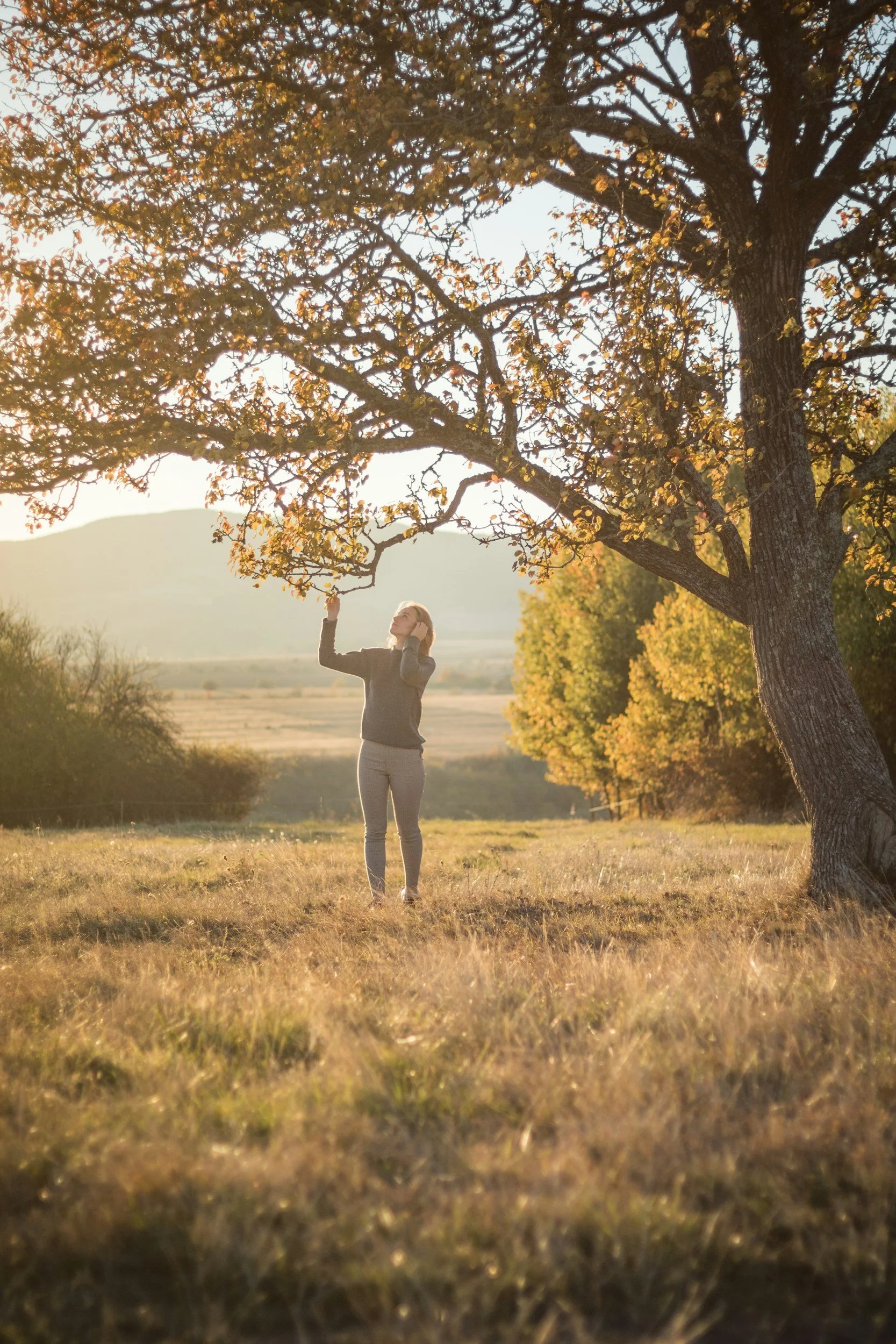
Have you ever noticed that as summer starts fading into fall, you just feel…different?
Maybe you’re a little more on edge. Your sleep feels off. You’re more tired than usual. You have less patience. Your normal routine suddenly feels harder to keep up with.
Or maybe you already struggle with anxiety or panic attacks, and you notice yourself paying more attention to those changes.
Why am I so tired?
Why do I feel weird today?
Why does my anxiety suddenly feel worse?
I was doing fine. Why is this happening again?
If you tend to feel more anxious when the seasons change, you’re not necessarily imagining it. Seasonal changes can affect our sleep, energy, mood, routines, and stress levels—and all of those things can influence how we feel emotionally.
It also doesn’t automatically mean something is wrong with you.
Let’s talk about why anxiety can feel different in the fall, what may be contributing to it, and what you can do without turning the seasonal shift into another problem you have to constantly monitor or fix.
Why Do I Feel More Anxious in the Fall?
There probably isn’t one single explanation.
Fall brings several changes at once. There is less daylight. Temperatures change. Summer schedules end. School starts again. Work may pick up. Vacations are over. Calendars get fuller. The holidays start appearing on the horizon.
Even if you love fall—and I personally understand the appeal of cozy weather, blankets, books, and everything that comes with it—your mind and body are still adjusting to a change in environment and routine.
For some people, that transition is barely noticeable.
For others, it can show up as feeling more tired, restless, irritable, overwhelmed, or anxious.
Can Less Daylight Affect Anxiety and Mood?
Yes, changes in daylight can affect the systems involved in sleep, mood, and your internal body clock.
Light is one of the important environmental signals that helps regulate our circadian rhythm, or our roughly 24-hour sleep-wake cycle. As daylight decreases in the fall and winter, some people notice changes in sleep, energy, and mood.
This doesn't mean that feeling a little off when September or October rolls around automatically means you have seasonal affective disorder (SAD). SAD is a form of depression with a recurring seasonal pattern, and its diagnosis involves more than simply feeling different when the weather changes.
Plenty of people notice milder seasonal shifts without meeting criteria for SAD.
You may notice that you're sleepier earlier in the evening. Getting out of bed in the morning may feel harder. Your energy may dip. You may spend less time outside than you did during the summer.
And when your body feels different, it can be especially noticeable if you already struggle with anxiety or panic attacks.
Why Can Seasonal Changes Feel Especially Difficult When You Have Panic Attacks?
If you've experienced panic attacks for a while, you've probably become pretty good at noticing what is happening inside your body.
Maybe too good.
You notice when your heart beats differently.
You notice when you're tired.
You notice dizziness.
You notice changes in your breathing.
You notice when you feel slightly disconnected, foggy, restless, or “off.”
So when a seasonal change affects your sleep or energy, your brain may immediately become interested in those sensations.
You feel unusually tired one afternoon and wonder why.
You didn't sleep well, so you feel a little lightheaded the next morning.
Your routine has changed, so you're eating, exercising, sleeping, or drinking caffeine at different times.
And suddenly you're monitoring yourself.
Why do I feel like this?
Is my anxiety getting worse again?
Does this mean I'm going to panic?
This is where a normal fluctuation in how you feel can sometimes become much more important than it needs to be.
The goal isn't necessarily to make sure you feel exactly the same during every season.
Bodies change. Energy changes. Mood changes. Routines change.
You can notice those changes without making every uncomfortable feeling an emergency you have to solve.
Can a Change in Routine Make Anxiety Worse?
It can certainly add stress.
Summer can have its own chaos, but fall often comes with a noticeable return to structure.
Kids go back to school. Work schedules change. Vacations end. Traffic patterns change. Social calendars fill up again. There may suddenly be more meetings, appointments, responsibilities, or expectations.
Sometimes we don't realize how much has changed because each individual change seems relatively small.
But your Monday in October may look very different from your Monday in July.
A fuller schedule can also mean less sleep, fewer breaks, more rushing, or less time doing things you enjoy.
Feeling more stressed during that transition doesn't necessarily mean your anxiety is “coming back” or that you've lost progress.
You may simply be adjusting to a different season of life—literally.
Why Does “Back-to-Routine” Pressure Make Me Feel Anxious?
There's also a psychological component to fall that doesn't get talked about as much.
Fall often has a back to business feeling.
Summer is over. School is starting. Work gets busy. The end of the year suddenly doesn't feel that far away.
You may start thinking about everything you wanted to accomplish this year.
Maybe you're suddenly looking at your calendar thinking:
How is it already September?
That subtle pressure can make life feel more demanding, particularly if you're someone who already puts a lot of pressure on yourself.
And if you're already dealing with panic attacks, adding a layer of I shouldn't be feeling this anxious usually doesn't make things easier.
Is Seasonal Anxiety the Same as Seasonal Affective Disorder?
Not necessarily.
It's important not to use the terms interchangeably.
Seasonal affective disorder is a type of depression characterized by a recurring seasonal pattern. According to the National Institute of Mental Health, winter-pattern SAD generally begins in the late fall or early winter and improves during the spring and summer.
Symptoms can include persistent low or anxious mood, decreased energy, difficulty concentrating, changes in sleep or appetite, loss of interest in activities, and social withdrawal.
Simply noticing that you feel more tired, stressed, or anxious as fall begins does not automatically mean you have SAD.
If you're experiencing significant or persistent changes in your mood, sleep, appetite, energy, or ability to function, however, that's worth discussing with a qualified health care or mental health professional.
What Can I Do If I Feel More Anxious When the Seasons Change?
You don't necessarily need to launch an entire project dedicated to fixing your fall anxiety.
A few grounded adjustments may be enough.
1. Give Your Body Some Consistency
When everything around you is changing, maintaining some basic consistency can be helpful.
Try to keep your sleep and wake times reasonably steady. Get outside during daylight when you can. Continue moving your body in ways that work for you. Keep doing the ordinary activities that matter to you.
Daylight is an important signal for the body's sleep-wake cycle, and regular routines can support sleep and overall functioning.
The goal isn't to create the perfect fall routine.
It's simply to give yourself some consistency while everything else shifts.
2. Notice Changes Without Constantly Monitoring Them
This one is particularly important if you struggle with panic attacks.
There is a difference between noticing:
Wow, I've been more tired this week.
And spending the next three hours investigating why you're tired, checking whether you feel normal, Googling symptoms, analyzing your sleep, and wondering whether this means you're going to have another panic attack.
Not every change in your body requires an investigation.
You can notice that you feel different and continue with your day.
You don't have to achieve complete certainty about why you feel the way you feel before you get back to living.
3. Keep Engaging With Your Life
When you're feeling anxious, tired, or “off,” it can be tempting to start pulling back.
Maybe you cancel dinner.
Skip the walk.
Stay home for the weekend.
Put off the drive you've been nervous about.
Wait until you're feeling more like yourself before making plans again.
Sometimes rest is exactly what we need. But if you notice yourself repeatedly withdrawing from your life because you're waiting to feel less anxious first, it's worth paying attention to that pattern.
You don't have to feel perfect to participate in your life.
For someone recovering from panic disorder or agoraphobia, this distinction can be particularly important.
The goal isn't to distract yourself from anxiety by staying constantly busy.
It's to continue engaging with the life you actually want, whether anxiety decides to show up that day or not.
How Long Does Seasonal Anxiety Last?
There isn't one timeline that applies to everyone.
A brief adjustment as routines and daylight change is different from anxiety or mood symptoms that persist, intensify, or begin significantly affecting your daily life.
The National Institute of Mental Health recommends paying attention to both how long mood changes last and how much they interfere with your ability to function. Persistent or worsening symptoms are a reason to talk with a health care or mental health professional.
And you don't have to wait until things become unbearable before asking for support.
When Should I Talk to a Panic Attack Therapist?
If you've been feeling more anxious for a few weeks and you're noticing that anxiety or panic is beginning to affect your daily life, it may be worth talking with a therapist.
Especially if the issue isn't just that you're experiencing anxiety—but that you're becoming increasingly afraid of experiencing it.
Maybe you're starting to avoid places because you're worried you'll panic.
Maybe you're checking your body more often.
Maybe you're changing plans depending on how anxious you feel.
Maybe you've gone back to relying heavily on breathing exercises, grounding techniques, reassurance, or other strategies every time panic shows up.
Or maybe you've been dealing with panic attacks for a long time, have tried what feels like everything, and you're exhausted from spending so much of your life trying to prevent the next one.
That's the part of panic treatment I'm particularly interested in.
Not simply: How do we make sure you never feel panic?
But: How do we help you stop organizing your life around the possibility that you might?
I specialize in therapy for panic attacks, panic disorder, and agoraphobia using Exposure and Response Prevention (ERP). Rather than giving you another collection of tricks for making panic disappear as quickly as possible, our work focuses on changing your relationship with panic so you can start doing the things you've been missing—even when anxiety comes along.
If the change of seasons has made you realize just how much energy you're spending monitoring, managing, or avoiding panic, you don't have to wait for it to get worse before reaching out.
The goal isn't to have the perfect fall with zero anxiety.
It's to have a life that can keep getting bigger—even when anxiety is there.