Anxiety Thrives on Our Fear and Control of it- Healing from Agoraphobia & Panic Attacks
If we have a phobia, including agoraphobia, we may have a fear of driving on busy roads, flying, getting sick, or being in tight spaces, but sometimes we have a fear of feeling fear and discomfort itself.
Disclaimer: The content discussed here is geared towards individuals struggling with an irrational fear or a phobia of discomfort that comes with panic and anxiety, leading to avoidance that alters their lifestyle in an extreme manner. This content is not about minimizing the effects of anxiety. In no way is this content a blanket statement for all anxiety and panic attacks. Please seek out support with a licensed therapist, whether that be Kate or another clinician to receive one on one support and an individualized treatment plan.
Fear & Control of Anxiety

You may fear anxiety and discomfort if you:
Avoid anything that could trigger fear or discomfort
Find yourself worrying more about how you’ll feel when you’re on the plane vs the plane itself
Spend hours a week thinking about the future and how to not feel any discomfort from anxiety or a panic attack
Overcoming fear of discomfort and how you feel when you’re anxious can be tricky, but it is possible. What makes this tricky is that we think we need to control how we feel and get rid of the fear in order to function again, but we don’t.
You may be stuck in the control trap if you:
Constantly use coping techniques like deep breathing, grounding, cold water or sour candy
Google your symptoms and look for reassurance on reddit and facebook groups
Avoid places or things that could trigger the fear and anxiety
Have your safe person with you at all times
Try new supplements or cut out foods that you think could contribute to panic attacks
Try mantras or to think more positively
All of these are actions you may be taking to try to control how intense your anxiety can feel, or try to get rid of it completely.
More: How to Treat Anxiety like an Itchy Bug Bite
Controlling Anxiety vs Dropping Resistance to it

These are all well-meaning skills that can work at times, and if they do work for you then I encourage you to continue. If these skills haven’t helped you in the long term, it’s most likely because they keep reinforcing that what you’re feeling is dangerous and needs to be banished from your system.
Have you ever tried really hard not to be anxious but then you feel really anxious? This is because your brain gets the signal that it must be on high alert for anxiety, which creates more anxiety. What do we do instead? Stop trying to control it and make it feel better.
Controlling anxiety makes more anxiety. If you’re feeling anxious about the plane ride, driving over the bridge, or going to the store, expect to feel anxious and ride the waves as they come. Imagine floating with the waves in the ocean instead of treading water. The more we kick, scream and panic, the harder it is to swim back to shore and the more exhausted we become. If we relax our bodies and float with the waves, we’re doing ourselves a favor by staying afloat, even though it may feel scary.
Give Your Attention to Something Else

Anxiety also becomes more intense when we give our attention to it. Moving your attention away from how scared or panicked you feel on the inside to something on the outside will help the anxiety to feel less intense:because you’re not paying attention to it. Moving your attention is a mindfulness skill that takes practice and can help you recover from anxiety and panic attacks as opposed to managing and bracing for the symptoms.
Therapy with Panic Attack & Phobia Specialist Kate Regnier in Reston, VA
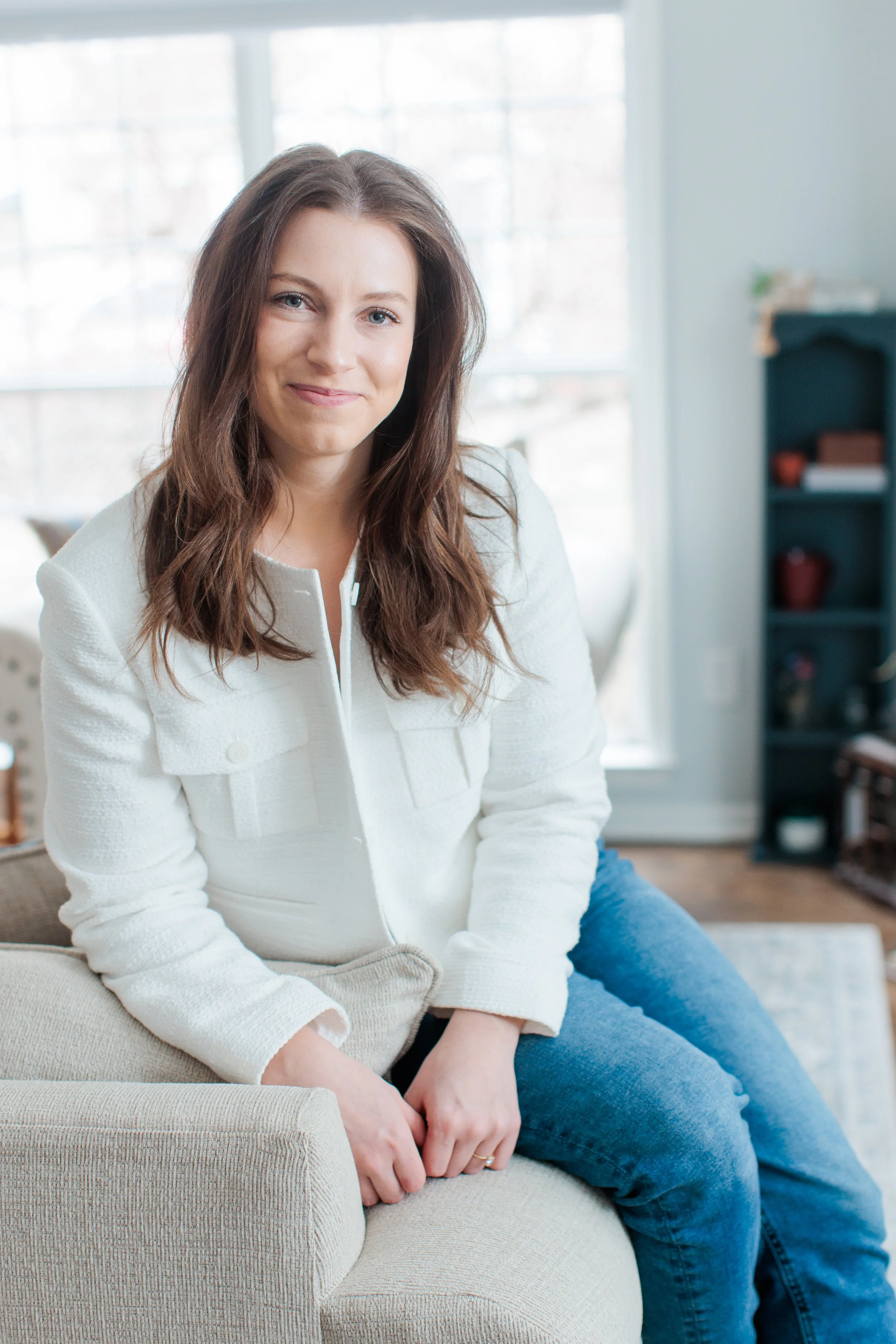
Kate is a licensed therapist who specializes in treating panic attacks and anxiety. Kate uses evidence-based modalities such as CBT, ACT, and EMDR. She offers virtual therapy sessions and works with clients who are located in Virginia, Washington DC, Maryland, Indiana & Michigan. Kate also uses psychoeducation with clients, helping them to keep in mind there is no magical quick fix to anxiety or panic attacks and recovery lies in the practice of allowing and feeling the anxious thoughts and feelings versus trying to get rid of them.
Click here to schedule a consultation with Kate or click here to learn more about her practice.
Disclaimer* The content provided in this blog is intended for educational purposes only and is not a substitute for professional therapy or medical advice. While I strive to ensure the accuracy of the information shared, I cannot guarantee that all information is current or correct. Readers are advised to consult with a qualified healthcare professional before making any decisions based on this post.