What Not to Do When Practicing Exposures: Basic Pillars to Recovering From Panic Attacks & Anxiety
Practicing to accept and allow anxiety is a crucial step in recovering from panic attacks. You most likely aren’t used to allowing the panic or anxiety so it can take time to build this practice, like a muscle you have to exercise. Allowing anxiety can be treated like an exposure, but there are some common mistakes you want to look out for when practicing the exposure, otherwise they won’t work as well.
Regnier Restorative Counseling offers panic attack and anxiety treatment in Reston, VA and virtually.
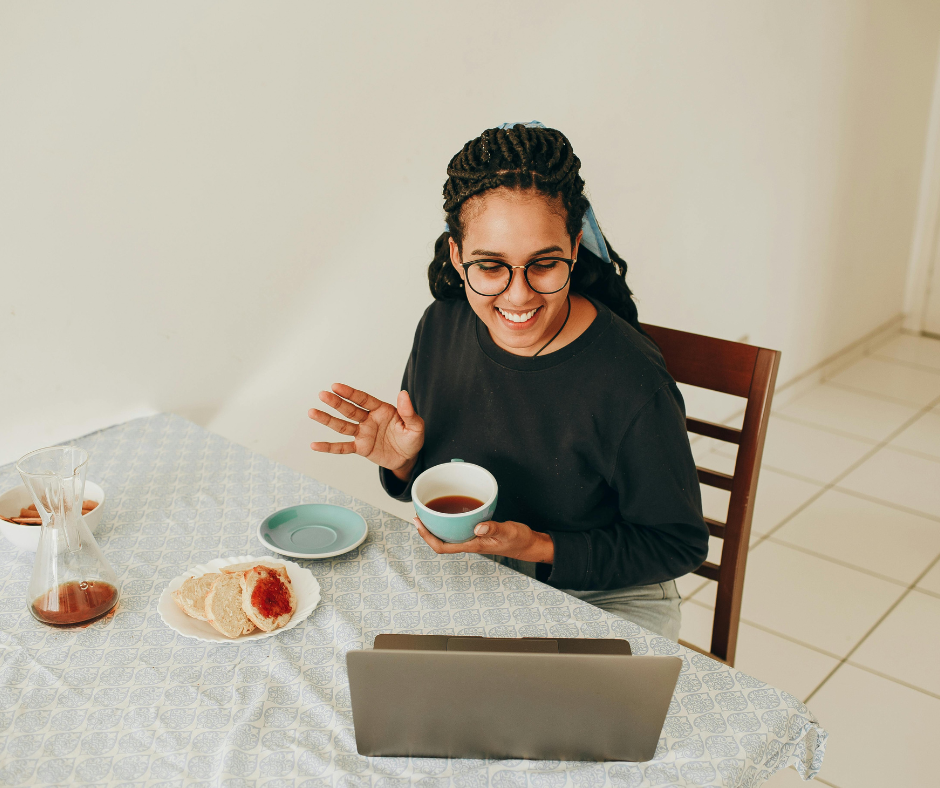
Exposures can be done in different ways and you can practice anytime you’re feeling anxious or having a panic attack. These are times to exercise the muscle and practice what we’re learning in our work together. When you’re ready to practice, here are some key tips for what not to do when practicing the exposures of accepting and allowing the anxiety:
Tighten muscles
Give it a timeline
Leave where you are
Wait until you feel good or motivated
Decide you’ve failed if you don’t feel better
More: We Don’t Control Our Thoughts
Tightening Muscles

Try to relax your muscles. I know firsthand how panic attacks make us feel physically tense and I understand how easy it is to brace our muscles in this moment. You may tense your torso and stomach, or your legs could feel tight. Sometimes we clinch as if something is about to hit us. This happens because our bodies are trying to fight off what it thinks is a threat. It believes we’re in danger and need to run.
We can’t control what our body does on the inside when panicking, such as our heart racing or a headache, hot flashes or an upset stomach. What we can control is what we do with our body posture and muscles. If you’re tensing your stomach, try to release your gut as much as you can. Another muscle that may be tight is your jaw. Try unclinching it over and over if needed. Your legs may also feel tight and shaky (which it's totally normal to shake during a panic attack), so try moving your legs around to help them relax the tension.
If you’re in an airplane or a car, you might be gripping the arm rest tightly. Practice releasing whatever you're gripping. Try laying back as if you were relaxed, instead of leaning forward needing to scan everything with your eyes. If your body knew there was no threat, it would probably lay back and relax, right?
Don’t Give the Exposure a Timeline or Conditions

It’s easy to think you’re accepting and allowing the anxiety, but if you’re accepting with the expectation that it will go away after a few minutes, then you’re not really accepting and you’ll stay stuck. You can't give a timeline on the acceptance. We can’t say we’re fully accepting the anxiety if we say a few minutes later that we still feel terrible and it didn’t work. Acceptance isn't about feeling good. Try to catch yourself if you’re telling the anxiety that you’ll feel it and allow it but only for a second. This isn’t true acceptance and it will only keep you stuck feeling anxious about your anxiety.
Don’t Leave Where You Are

Another tip to keep in mind when practicing the acceptance of panic and anxiety is not to leave where you are. If you were in a plane and now it's landed, don't be the first one to rush and get off. Practice showing your body that we can be here. Decide you’re going to let some people go by first and then you’ll get off. You can practice this in any space where you feel anxious and want to leave, thinking you’ll feel better if you get out of there. Try to stay as long as you can while feeling anxious. As you start to practice, just to build up the tolerance, maybe you only stay for 30 seconds. But eventually, try to stay as long as you can. Otherwise you're letting panic dictate and decide how long you stay. Try not to leave where you are, whether it’s to get to your safe person or your safe place.
Don’t Wait for Motivation or to Feel Good
Don't wait to do these types of exposures until you feel good. You're never going to feel like you want to accept and allow the anxiety.
You're not going to feel great or excited about it. If you just wait and keep putting it off, you’re just showing the anxiety that it's in control. Don't wait to feel good or motivated to do the exposure or until it feels really good to try it out. This will just keep tricking your brain into thinking its not okay or safe to feel anxious.
Treating it As a Failure
Most importantly, don't decide your exposure or practice of allowing and accepting the panic and anxiety has been a failure if you still feel bad afterwards. It’s easy to say “I practiced the allowance, I practiced letting it be there, but I still felt terrible”.
It's going to feel terrible the first couple of times you do it, but that means you're making progress. Expect it to not feel so great. You're not going to feel totally calm. The goal with acceptance is not to feel calm and make everything go away. Acceptance means you're fully letting the panic be there. However long it's going to be there and however big it gets.
I hate to see people get really down on themselves because they went somewhere where they felt anxious and they practiced these skills that we talk about in session and they come back saying, “But I still felt really, really anxious. I still felt terrible, so I failed”. You didn't fail. Anytime you're practicing, you're making progress. Progress is about making sure you don't get down on yourself and call it a failure. It’s not going to feel good to fully allow anxiety at first. Don't decide that it's a setback or a failure just because it felt really terrible. Expect it to feel hard. If you have panic attacks, you know what they're like, and you know it's going to be hard to feel. Doing these exposures of practicing, allowing and accepting won’t feel good in the moment, but it's prepping you for the next time you have a panic attack and you're slowly changing the way your brain is responding. Each time you practice, it's really helping you for future times where you feel anxious.
Eventually, the anxiety and panic can subside faster and the anxiety can decrease when doing the exposures.
These do’s and don’ts aren’t just for panic attacks. They can also be applied to anxious or racing thoughts, “what if” thoughts, or physical sensations such as the racing heart or stomach aches.
The whole reason we're relaxing muscles is to show our brain that our bodies can relax even while panicking, because it's safe. There is no danger. It's all about how we respond when we panic and feel anxious.
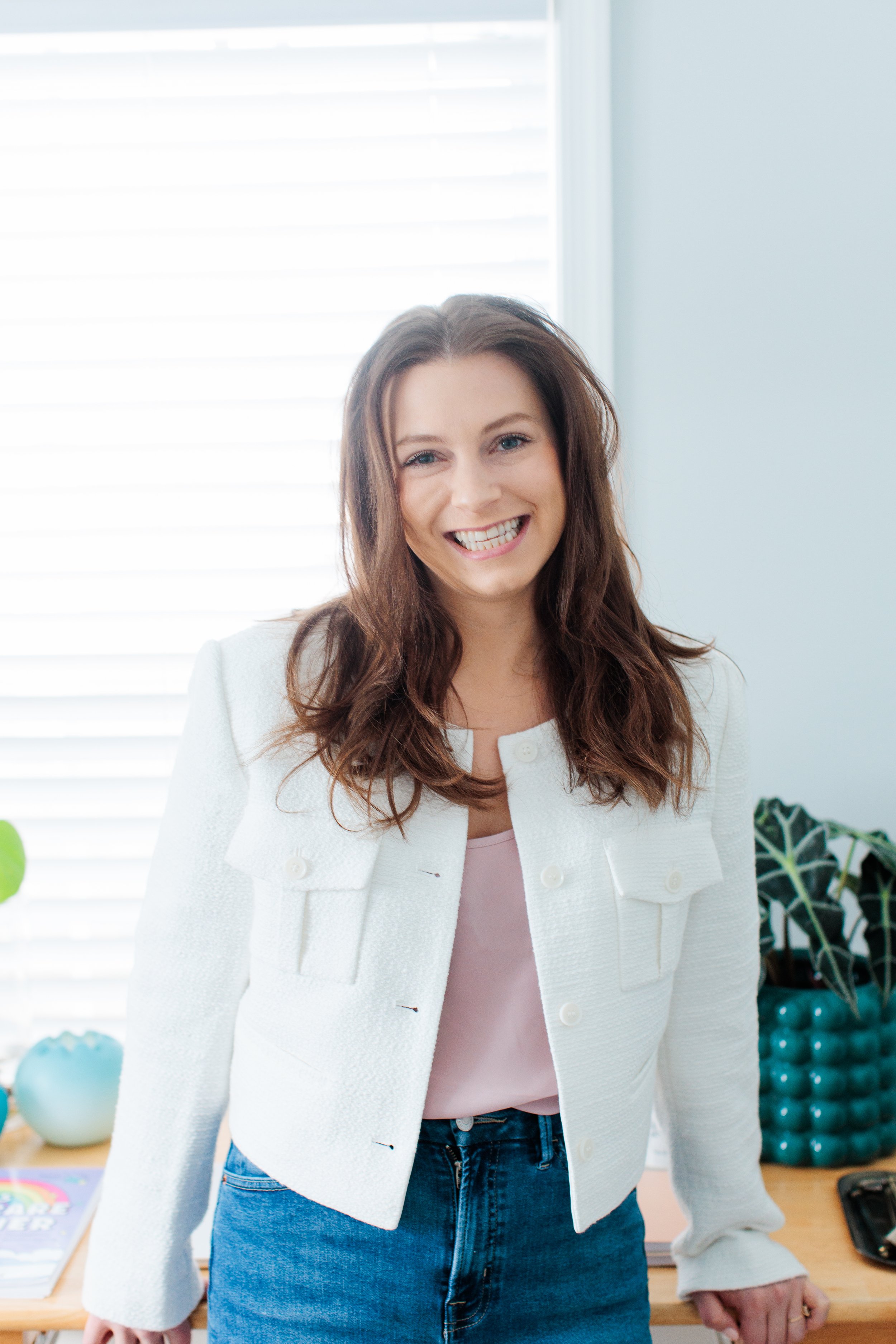
Kate is a licensed therapist who specializes in treating panic attacks and anxiety. Kate uses evidence-based modalities such as CBT, ACT, and EMDR. She offers virtual therapy sessions and works with clients who are located in Virginia, Washington DC, Maryland, Indiana & Michigan. Kate also uses psychoeducation with clients, helping them keep in mind there is no magical quick fix to anxiety or panic attacks and recovery lies in the practice of allowing and feeling the anxious thoughts and feelings versus trying to get rid of them.
Click here to schedule a consultation with Kate or click here to learn more about her practice.
Disclaimer* The content provided in this blog is intended for educational purposes only and is not a substitute for professional therapy or medical advice. While I strive to ensure the accuracy of the information shared, I cannot guarantee that all information is current or correct. Readers are advised to consult with a qualified healthcare professional before making any decisions based on this post.