What Really is a Panic Attack?
What is a panic attack, why do they happen and how do we treat them?
What is a panic attack?
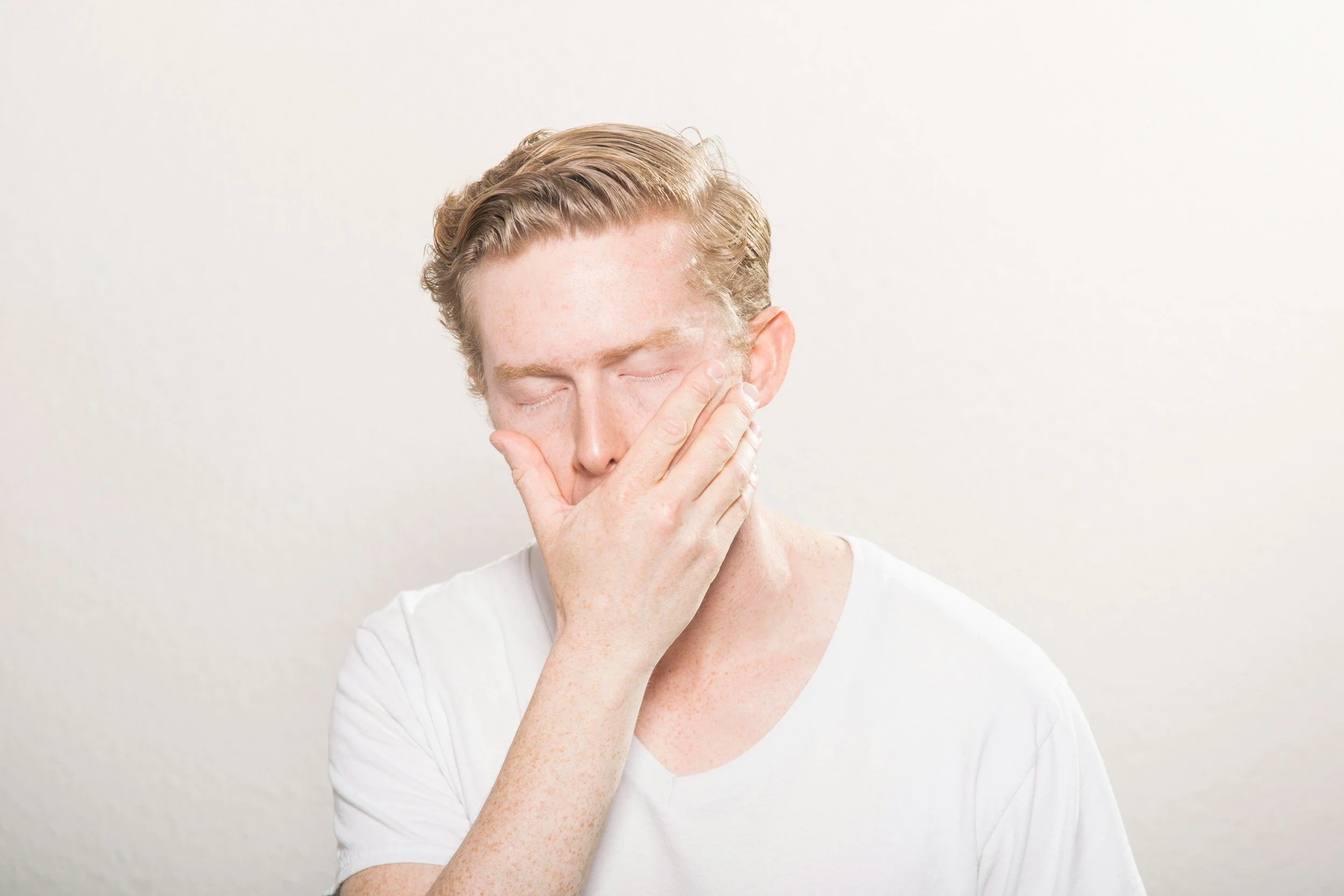
A panic attack is an abrupt and intense episode of fear and anxiety that surges through the body. They can have known or unknown triggers. Typically, panic attacks happen when there isn't an actual danger to fight off or run from, which can feel very disorienting. Panic attacks are typically a one episode event but can reoccur.
This differs from panic disorder, which happens when a person begins to fear the panic attack itself, leading to the fear of having more attacks and avoiding places or situations they worry could trigger one. For example, someone may be feeling normal while at the grocery store and suddenly have a panic attack for no obvious reason. The person may leave the store, not realizing it's a panic attack, and fear they may be having a heart attack or are sick. The intense discomfort they felt in the store now becomes the fear/trigger. They may think they can never go to that store again because being there is what caused them to feel so terrible. This is how agoraphobia begins. Once they realize that what they experienced was a panic attack, they can start working on increasing exposure and reducing the fear of the panic. It’s important to realize that it was not the store that caused the panic attack, but their bodies alarm going off and detecting danger at the wrong time, and they just happened to be at the store when the panic attack happened.
Symptoms

Common symptoms of panic attacks include:
racing heart or heart palpitations
Sweating
Shaking
Shortness of breath
Chills
Numbness
Dizziness
Derealization or a sense that you or things around you aren’t real
Other symptoms you may not recognize as a panic attack include an upset stomach, feeling a sense of urgency, a feeling that something terrible is about to happen, and a heavy sense of dread.
What happens during and after a panic attack

Panic attack episodes typically peak after 30 minutes and then symptoms begin to decrease. During a panic attack the nervous system is dysregulated. It thinks you’re in danger, so it can give you the sense that you need to empty your stomach or run away because you must prepare to use all your energy to protect yourself. The nervous system is misfiring, not realizing you aren’t in any danger. Once the panic attack passes, your nervous system begins to regulate itself. You may feel very tired mentally and physically, or you may feel hungry as your body has just used up a ton of energy. You may also feel very relaxed and a little jittery as the panicked energy leaves your body. It can feel like you’ve just finished running a race even if you were sitting the whole time.
Types of panic attacks and treatment
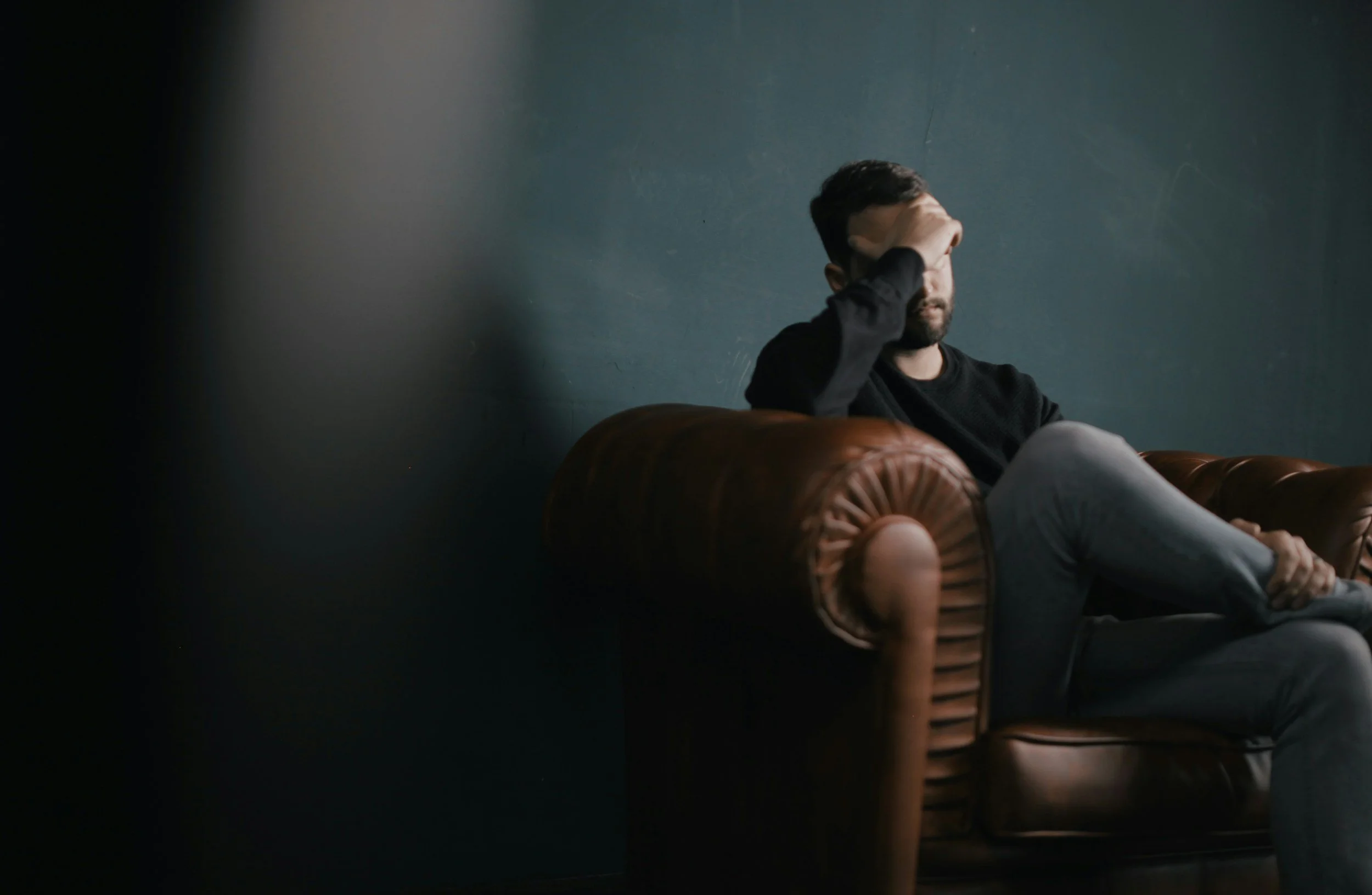
Sometimes panic attacks are caused by specific triggers and fears like being stuck in an elevator or being around needles. Other times panic attacks can come out of nowhere, even if you felt great a few seconds before. For this second category of panic attacks, how we treat them can be crucial in healing. It can feel frustrating to not know what causes them, but we can easily get stuck on trying to find a reason, when really how we choose to interact with these panic attacks may be more important for healing. The more we try to figure out, fix, and get rid of these types of panic attacks, the worse they can get because they are built upon our fear of them. When we fight off the panic, we are sending signals to our brain that the panic is dangerous and needs to be fought off. Unfortunately, this just causes more panic.
Treatment for panic attacks can depend on the type of panic and the triggers. Therapy like CBT, ACT, and exposure therapy can be great treatments, especially if the panic attacks are triggered by something specific. Exposure therapy can be used to slowly expose the individual to the phobia or fear that causes the panic. Medications and lifestyle changes like limiting caffeine and sugar and implementing exercise can also be beneficial.
The second type of panic attack that may not have a specific trigger can feel more difficult to treat. You may wonder how it's possible to treat a panic attack without knowing its cause. These types of panic attacks can happen simply because you are scared of them. It's easy for panic attacks to be triggered by the actual fear of them. Fortunately, these types of panic attacks are also extremely treatable. Treatment includes exposure to the panic attack and practicing changing your response to them. The key is to allow the panic to happen. This tells your body and brain that it's safe to feel the panic and you aren’t afraid of them anymore. This breaks the fear response so the panic doesn’t activate. If you react to panic with fear, it will give you more panic.

It can be important to do this work with a licensed professional therapist so they help guide you through the exposure and healthy responses to the panic. Reach out today to schedule a free therapy consultation to start working through panic attacks and anxiety. I help clients with intense anxiety and panic attacks work through symptoms so they aren’t just surviving through and managing each day, but actually living.

At Regnier Restorative Counseling, owner and therapist Kate Moore (Regnier) uses evidence-based therapy modalities to help anxious clients learn to allow anxiety and panic instead of fighting it, so their bodies become desensitized to the anxiety. Kate’s sees clients virtually who are located in Virginia, DC, Maryland, Indiana and Michigan. Click here to schedule with Kate.