Managing vs Recovering From Panic Attacks: Can You Recover from Panic Disorder?
Recovering from panic attacks and panic disorder is not about never experiencing them again. It’s about changing your response when you do experience them.
Regnier Restorative Counseling offers panic attack and anxiety treatment in Reston, VA and virtually.

How to know if I’m managing or actually recovering from panic disorder?
If you’ve had panic attacks for years, you may wonder if recovery is even possible. Panic attacks can quickly shrink our lives if we don’t treat them accurately. You may have been told at times to breathe deeply, or use the 5-4-3-2-1 method to orient yourself outside your body and into your surroundings. These are known as coping skills that can help you manage the panic attacks in the moment, but they don’t typically lead to long term panic attack recovery.
Managing panic attacks can look different for each person,. You may be managing the symptoms if you’re white knuckling through them. You might feel physically tense, like you’re trying to push the panic away or hold still so it doesn’t get worse. You might also be using some of those coping skills to feel calm or feel better quickly instead of letting the panic play out as it wants. Those coping skills might give you temporary relief from a few symptoms in the moment, but you’ll probably find that after the panic attack ends, you’re still bracing in fear for the next one.
More: How to Stop a Panic Attack ASAP
Why Coping Skills for Panic Attacks Keep You Stuck

Why coping skills may not work for panic attacks
Coping skills may not help much with recovery from panic attacks and panic disorder because they don’t directly help the actual problem: your fear of the panic attack itself. Panic attacks act as a fake threat or false alarm in our bodies. This is great news for us! This means nothing is actually wrong when we have a panic attack. There is no real threat or danger. At the same time, it can feel so viciously like there is.
Some of these coping skills can teach us that our panic needs to go away or calm down, but forcing it away with breathing or grounding techniques can keep it coming back. If we tell our body that panic is scary, unsafe or bad and needs to be stopped, then our body will constantly be on the lookout for panic and to fight it off because we trained our brains to detect it as scary, unsafe, and bad. Recovery from panic attacks starts when we begin to let them happen and feel them fully.
The Panic Cycle: Fear of Panic

What happens when we react to a dangerous situation with a proper danger response?
If there’s a fire, we put it out.
If there’s a bear, we run.
Great, that's exactly what we’re supposed to do! Now what happens when we react to a non dangerous situation with that same danger response?
It feels like there's a fire, so I’m going to put it out.
It feels like I’m being chased by a bear, so I’m going to run.
When we freak out and try to calm down or get rid of a panic attack, it’s like we’re trying to protect ourselves from a dangerous situation that doesn’t exist. Imagine trying to run away from an imaginary bear that you think is chasing you. We would be exhausted, because we would be running forever. The threat of the bear would never subside, because we can’t actually do anything about it. In reality, we could just stop running. We can sit down. We can save our energy and focus on something else.
There is no real threat when having a panic attack, but when we treat them like there is, they’ll just keep coming back.
What Panic Disorder Recovery Actually Looks Like

How do you recover from panic disorder?
Long term panic recovery means we let ourselves feel the panic and anxiety. We go to the places and experience the situations that can trigger the panic. We purposefully face the panic head on, not run and hide from it.
Here’s how to put these steps into practice so panic attacks no longer control your life:
When you feel a panic attack starting, try to stay where you are. You may have the urge to run away to your car or another room or just be by yourself. What does running away signal to your body? That the panic needs to be run from because it's dangerous and bad. When you first practice this, set a timer and try to stay just 5 seconds longer than you normally do.
As much as you can, try to relax your muscles and welcome in the anxiety and panic with an open stance. Your body language is extremely important during a panic attack. If you tense up more, the panic will stay longer. If you welcome it in like it's a friend, it’ll loosen up its grip because it will know you’re not in danger and can chill out.
Whatever you do, when a panic attack happens, ask yourself: Am I trying to change it or feel better? If the answer is yes, then you’re still coping and managing, not recovering.
How you’ll know you’re recovering
Here’s some signs to look for that show you’re recovering from panic attacks and panic disorder:
You no longer avoid the places or situations that can trigger a panic attack
You’re able to shrug your shoulders and go on with what you were doing when a panic attack happens
You notice you care way less or not at all if you have a panic attack
You let the symptoms manifest in any way they want without trying to fight or control them
This doesn’t mean you won’t feel scared. The point is that you do the thing and have the panic attack even when you feel scared. Then, the more you do this, the panic will recede as a by-product of these actions. But you have to practice it scared.
When it’s Time to Work with a Panic Attack Specialist
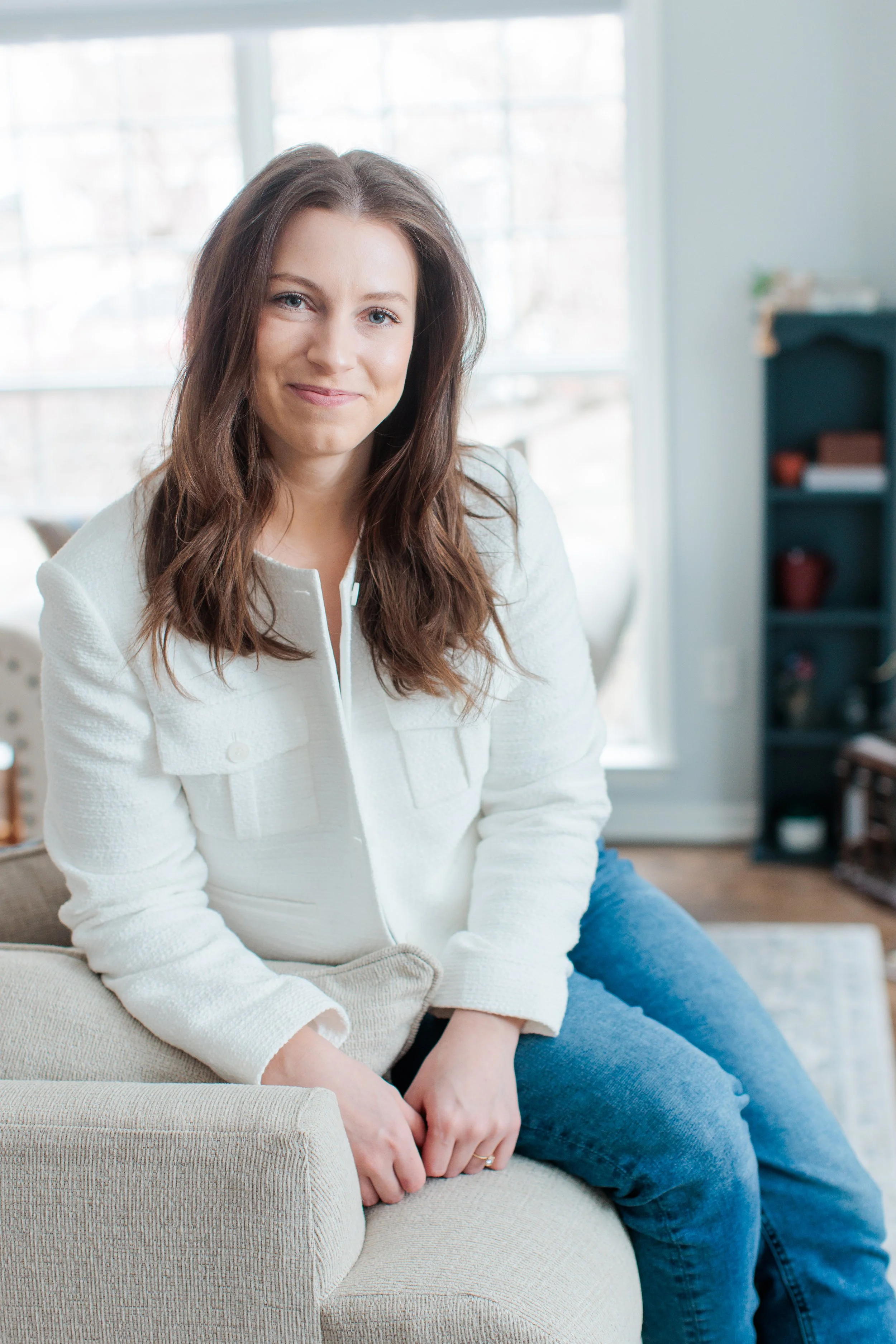
It can be important to do this work with a licensed professional therapist so they help guide you through the exposure and healthy responses to the panic. Reach out today to schedule a free therapy consultation to start working through panic attacks and anxiety. I help clients who are afraid of having another panic attack to allow symptoms so they aren’t just surviving through and managing each day, but actually living.
At Regnier Restorative Counseling, owner and therapist Kate Moore (Regnier) uses evidence-based therapy modalities, such as cognitive behavioral therapy (CBT) for panic attacks to help anxious clients learn to allow anxiety and panic instead of fighting it, so their bodies become desensitized to the anxiety. Kate’s sees clients virtually who are located in Reston, VA and virtually throughout Virginia, DC, Maryland, Indiana and Michigan. Click here to schedule with Kate.
Disclaimer* The content provided in this blog is intended for educational purposes only and is not a substitute for professional therapy or medical advice. While I strive to ensure the accuracy of the information shared, I cannot guarantee that all information is current or correct. Readers are advised to consult with a qualified healthcare professional before making any decisions based on this post.