Can You Stop a Panic Attack ASAP?
Panic attacks can make us feel like we’re about to die, so of course we want to avoid them. But the avoidance is what makes them worse. Here is how to stop a panic attack: allow it. Allowing the panic is how we can recover instead of just managing through it.
Regnier Restorative Counseling offers panic attack and anxiety treatment in Reston, VA and virtually.

So why am I having a panic attack?

Panic attacks happen when your fight/flight/freeze response turns on into overdrive when there isn't actually danger to fight or flee from. It's like your internal radar for detecting danger has been turned all the way up, but there’s no danger around to actually detect. When there’s no outside danger to fight or run from, the danger becomes the panic feeling inside of us. Now we want to run away and fight something inside of us, which can be impossible. Now we are scared of how we are feeling when the panic attack happens. The panic attack then becomes your body's fear response to the fight/flight/freeze sensations. The panic is no longer triggered by an external situation, but by your own inside response to it. Now we are starting to panic about panic.
More: What really is a panic attack?
Panic attacks getting worse

What is the first thing you do when you have a panic attack? Do you clinch up physically, like you're trying to fight? Do you fidget and move around a lot, hoping to flee the panic sensations? Do you call someone, eat sour candy, or try deep breathing exercises? Whatever it is, you’re probably doing something to feel better and make it go away, for panic attack relief. But this is what gets you stuck in the panic cycle. By trying to force it away, you are telling the panic that it isn’t safe , increasing more fear of panic attacks. You are showing the panic that it needs to be fought off which turns on the fight/flight/freeze response in you even more. Fighting it off just ramps it up. And it is safe to have a panic attack.
How to stop a panic attack fast

Panic is so good at making you think something is wrong. It sends signals to your brain and body that something very bad is happening and you better fix it right now. But this is a lie. That's why panic attacks can feel so hard to overcome.
Instead, here is how to calm a panic attack: allow it and ask for more.
Don’t run away from it.
Don’t try to calm yourself down.
Welcome it in. Tell yourself you’re allowing this to be here, because you know it is safe. Is it inconvenient and annoying? Yes. And it is safe, regardless of how scared it tries to make you feel.
Ask for more. Egg it on, tell it to do its worst! Chase after it. Drop all resistance and offer complete willingness to feel the panic. As scary and counterintuitive this seems, it is the quickest way to shut down the panic. But you must completely drop the resistance.
This sounds so simple but can be really hard in practice. The more you try it, the better you’ll be at allowing it. Try slowly exposing yourself to the panic by going to the place or doing the thing that triggers it. Then, instead of what you usually do, practice dropping all resistance. Relax your muscles as much as you can. Tell your panic to bring it on and that you’re fully allowing it to be here this time.
During a panic attack, it can be hard to remember what to do. Your automatic initial response that you’ve done for years will kick in. Fight it, run from it, don’t feel it, etc. To help remind yourself what to do instead, write it down on a post-it note or in your phone so it's already there and you don’t have to pull it out from your memory.
Write these down:
Drop the resistance
Relax my muscles
Anxiety, you are welcome to be here
What would this be like if I actually really liked feeling this way? (hint: you’d want more of it!)
I feel excited by this feeling!
Hey anxiety, can you actually make this worse?
Repeat saying yes to every sensation and emotion as it comes
Trying to make this go away is what's keeping me stuck
Be softer
Want to give me spiraling thoughts? Great!
Want to make me feel dizzy and nauseous? Even better.
Want to give me that heavy dread feeling? Be my guest!
Keep the invitation open and invite it back.
Panic is not the problem- the way we respond to it is.
Troubleshooting

Your body has to back up what you are saying. If you’re telling the anxiety and panic that it's okay to be here but you’re clinching your fists like you’re about to fight it, then it won’t work. Your panic will know you don’t mean what you’re saying because of your body language. Relax your muscles as much as you can.
You have to be fully willing to feel the panic and let it get as big as it wants. You can’t seek something out and want more of it if you’re running away from it at the same time. We can’t just tolerate the anxiety. We tell it that it’s safe to feel.
Indifference is a trap. Don’t be indifferent to the anxiety. Fully welcome it in, as if you’re wanting more and you’re excited for it.
Indifference=I don’t care.
Allowing= You can be here.
Indifference is us trying to numb or bypass the discomfort which is what keeps us stuck.
Want more support?
It can be important to do this work with a licensed professional therapist so they help guide you through the exposure and healthy responses to the panic. Reach out today to schedule a free therapy consultation to start working through panic attacks and anxiety. I help clients who are afraid of having another panic attack to allow symptoms so they aren’t just surviving through and managing each day, but actually living.
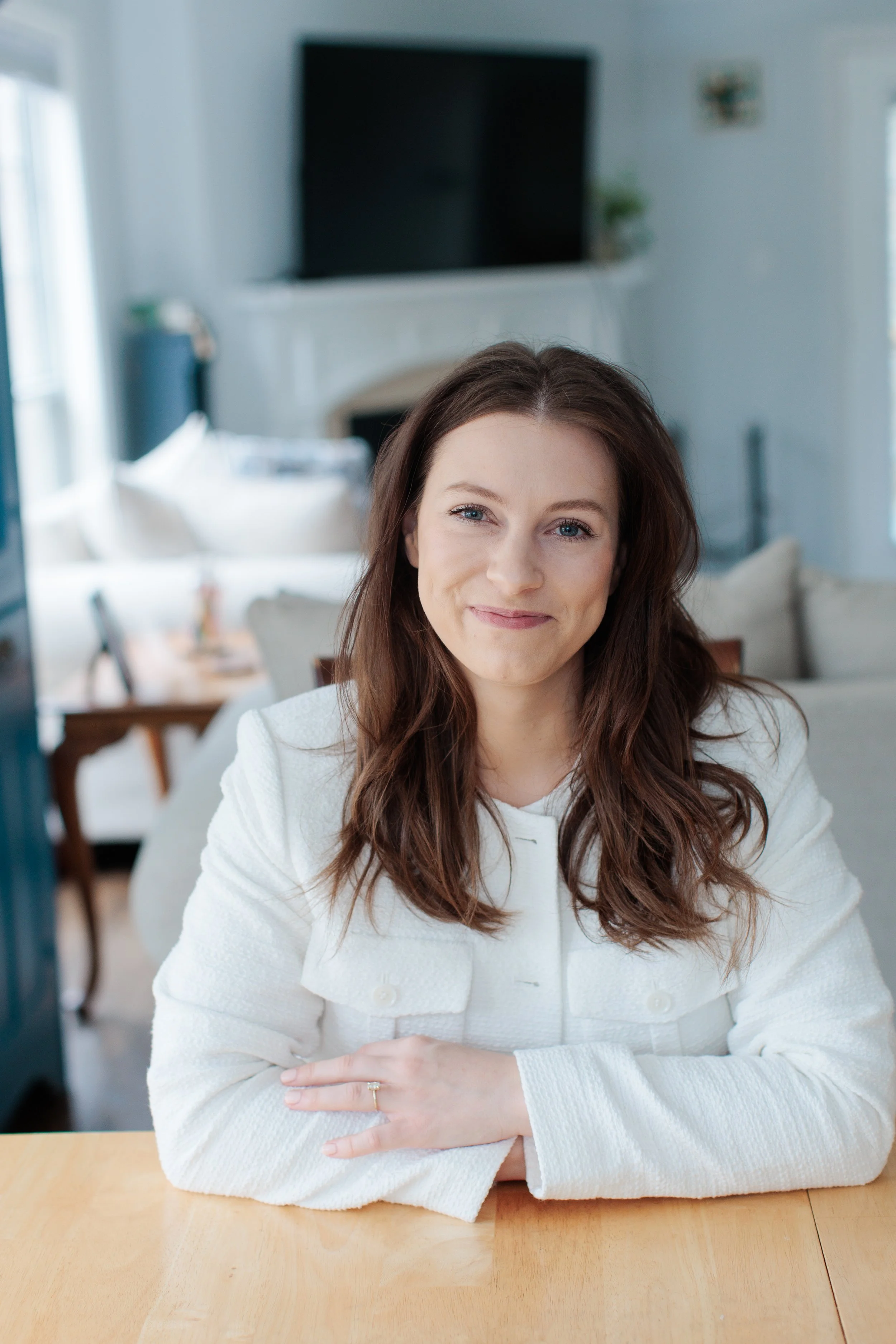
At Regnier Restorative Counseling, owner and therapist Kate Moore (Regnier) offers therapy for panic attacks and uses evidence-based therapy modalities to help anxious clients learn to allow anxiety and panic instead of fighting it, so their bodies become desensitized to the anxiety. Kate’s sees clients virtually who are located in Virginia, DC, Maryland, Indiana and Michigan. Click here to schedule with Kate.
Disclaimer* The content provided in this blog is intended for educational purposes only and is not a substitute for professional therapy or medical advice. While I strive to ensure the accuracy of the information shared, I cannot guarantee that all information is current or correct. Readers are advised to consult with a qualified healthcare professional before making any decisions based on this post.